
Rainbow Shooting Star
Jan 05, 2026
The start of a new era
Hey, Happy New Year! Going into the new year also means it's cold outside. A perfect time to get working in the studio.
I've been quilting for so long that my relationship with it has evolved greatly. It began with curiosity and as a way to bond with my grandmother, an admirable seamstress, among many other things. It started technically, as most new skills do, and quickly turned into an artistic pursuit while in an art program. That evolved into a custom quilt-making business.
So fun. The best part is the client's excited reaction to the finished quilt.
I enjoy making client quilts, and I never thought there would be anything that even came close to the enjoyment I get from that. Truly, you never know what will happen.
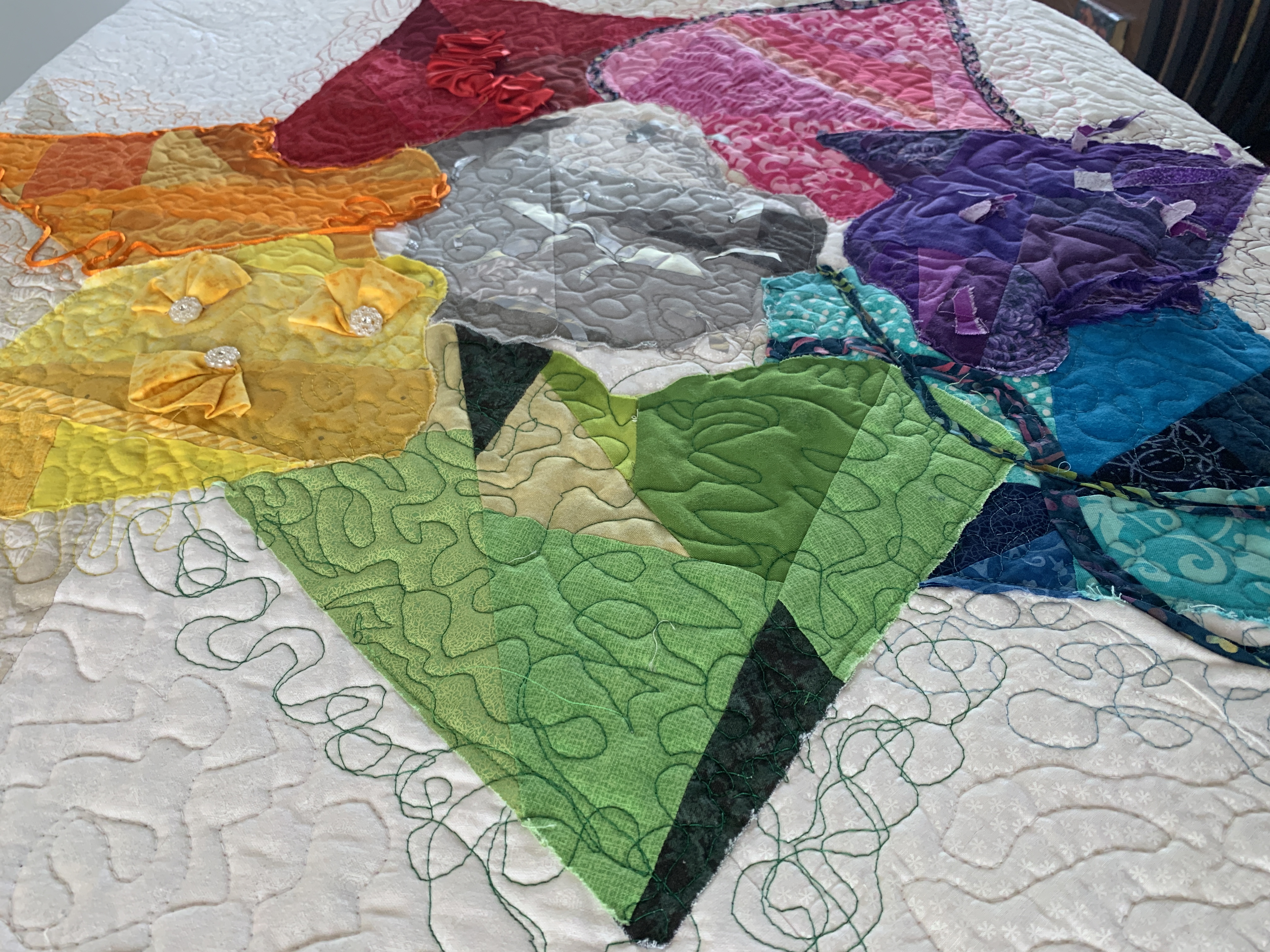
Trusting the process means letting go and flowing with the vibe, even when it feels wrong at times.
I continued quilting while studying to become a licensed mental health professional. I worked primarily on memory quilts throughout my time in the program, while also nurturing my textile creativity to see where it would take me. Some of it went well, some did not.
As students in the social work program, we are taught and encouraged to seek out and use coping mechanisms; things you choose to do that provide an outlet for your emotions by engaging your mind and hands. It's a bonus if you are creating something, either tangible or not. After learning about the function and benefits of a strong coping mechanism, my relationship with it evolved again after I realized quilting has been my version of coping for a long time.
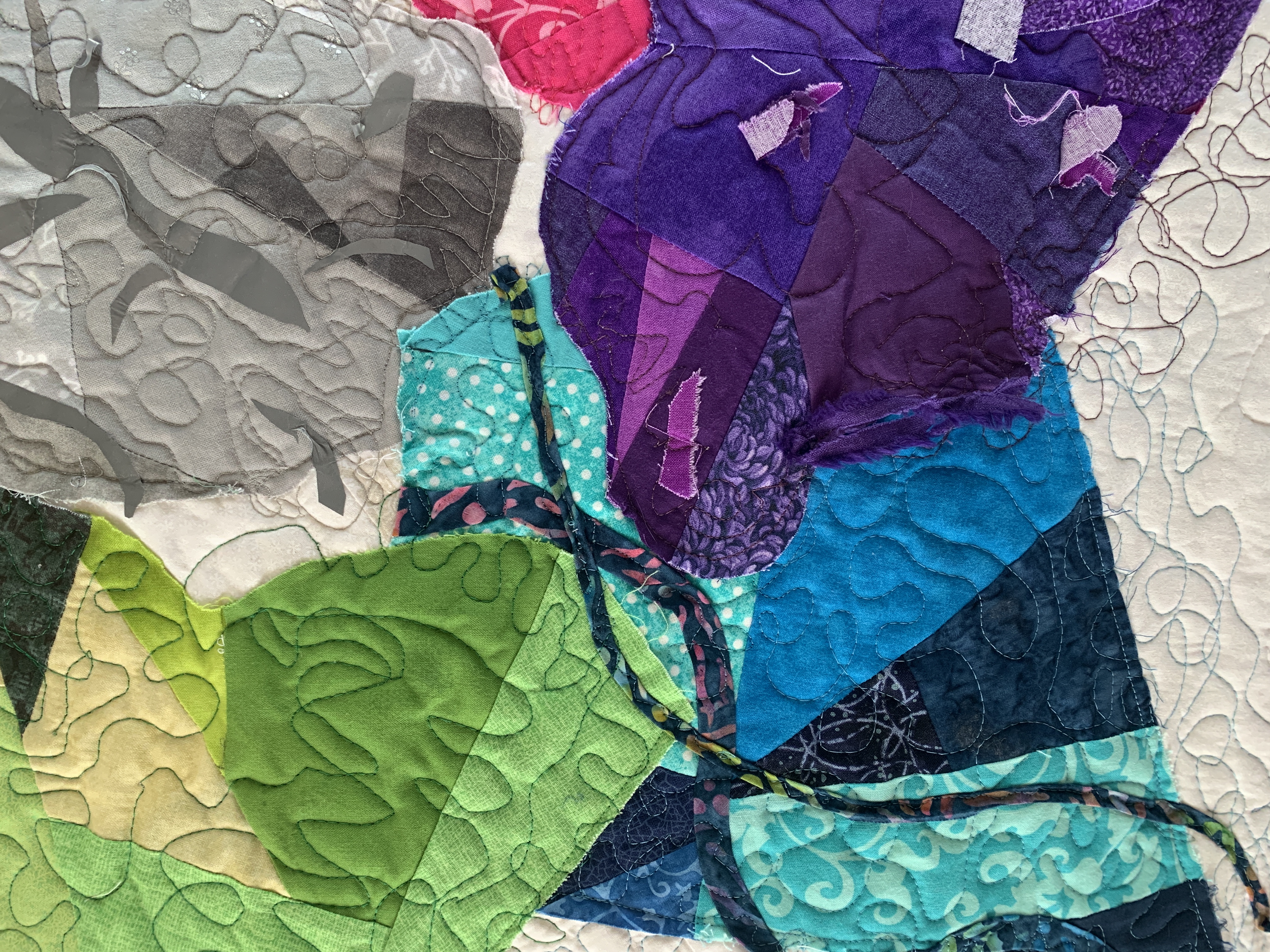
Experimentation might mean trying a new technique.
The fact is, I enjoy quilting, and I always feel better after engaging with it, which is what makes it my strongest coping go-to.
Navigating through life can leave us holding energy or emotions that are not ours, or trying to understand and process an adverse event or interaction. That energy needs somewhere to go, some way to get out of our body. If we do not offer ourselves the opportunity to remove that energy, it becomes buried or suppressed very quickly, which directly impacts our mental health. There's no escaping it.
There are effective coping mechanisms, as well as ineffective ones. It takes strength, courage, trust, and strong guidance to replace an ineffective mechanism with an effective one. The amazing part is that once this happens, the benefits outweigh the struggle to get there. Investing time and energy in something positive or in something that does not harm any part of your life nurtures growth.
Authenticity can only happen when we stop judging ourselves for our desires.
One of the most well-known and universal ineffective coping mechanisms is substance use, abuse, and addiction. The ongoing epidemic of drug users across the U.S. continues to need stronger and more toxic substances to numb the pain and be present in the most accessible way. America has been numbing the pain and escaping problems with substances for centuries, and one of the strongest connections is the lack of healthy coping. Addiction has many layers to it; it is not something that's worthy of feeling ashamed about. Getting the help to heal becomes a responsibility you have to yourself, even though it's not your fault.
This project aligns with what I encourage my clients to do: experimentation, trusting the process, and discovering authenticity. I went in with no idea what would happen, and I didn't stop until I had a finished quilt. And this is what happened...
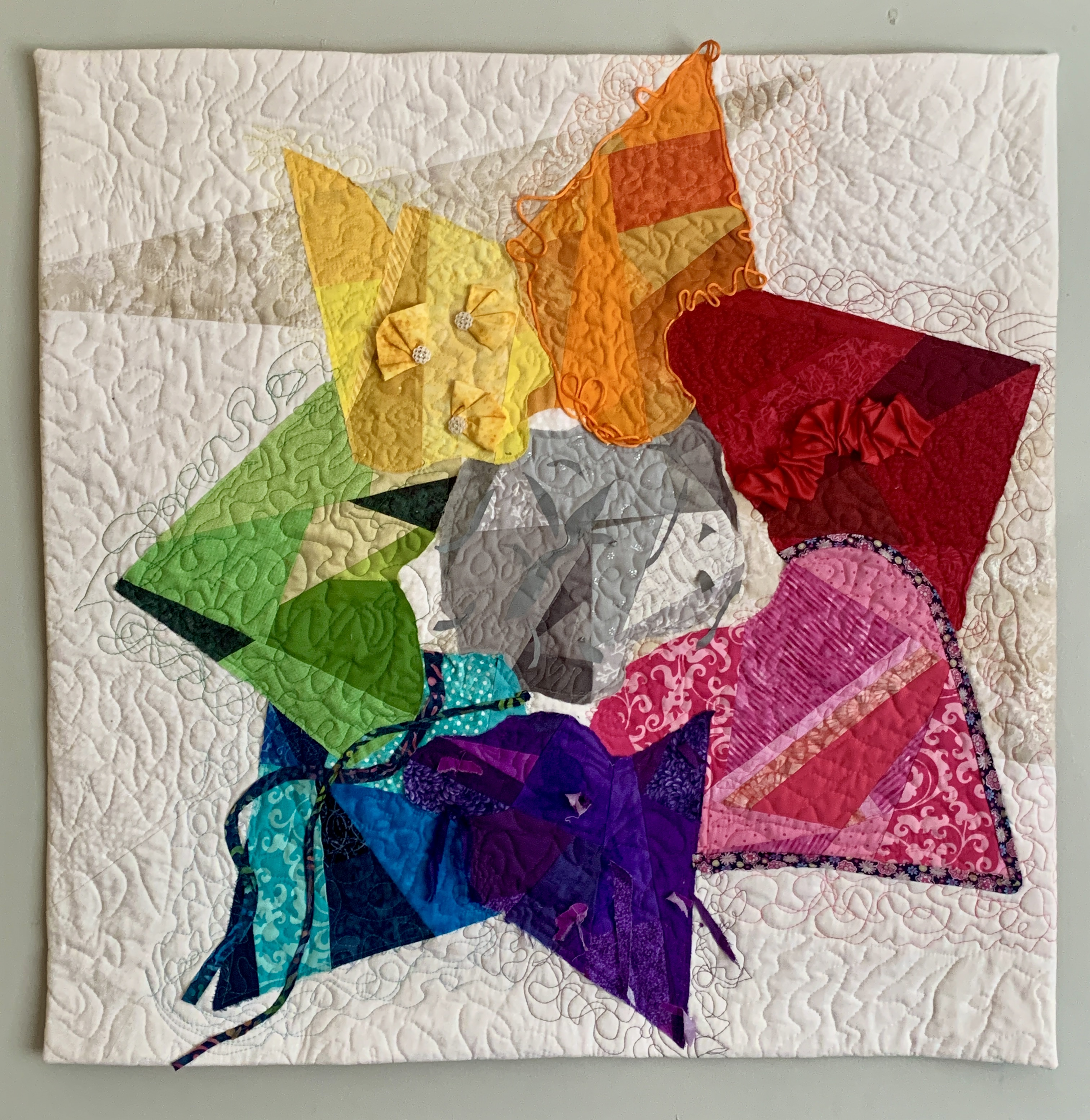
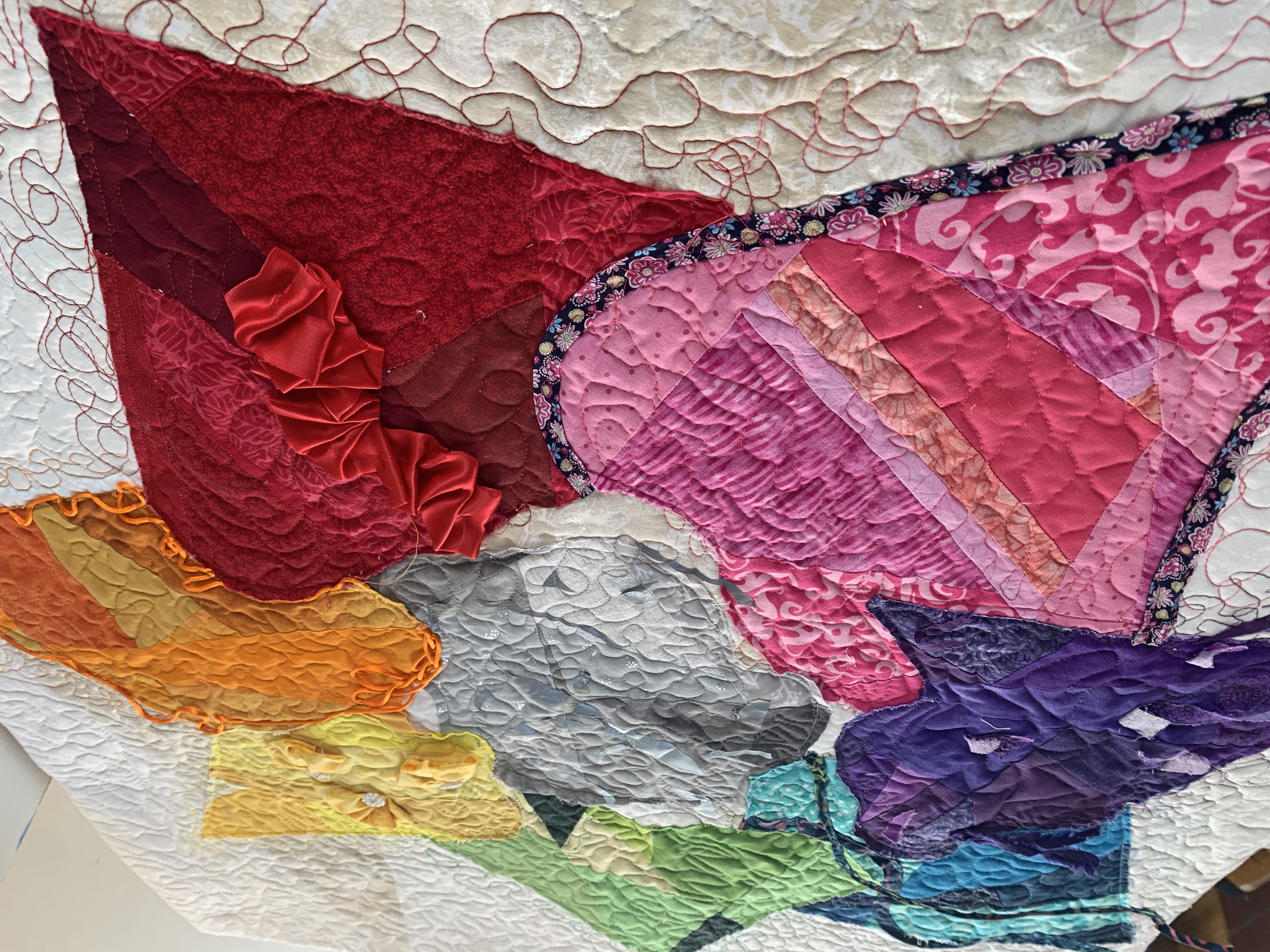
Rainbow Star (I threw "Shooting" into the blog title just for fun)
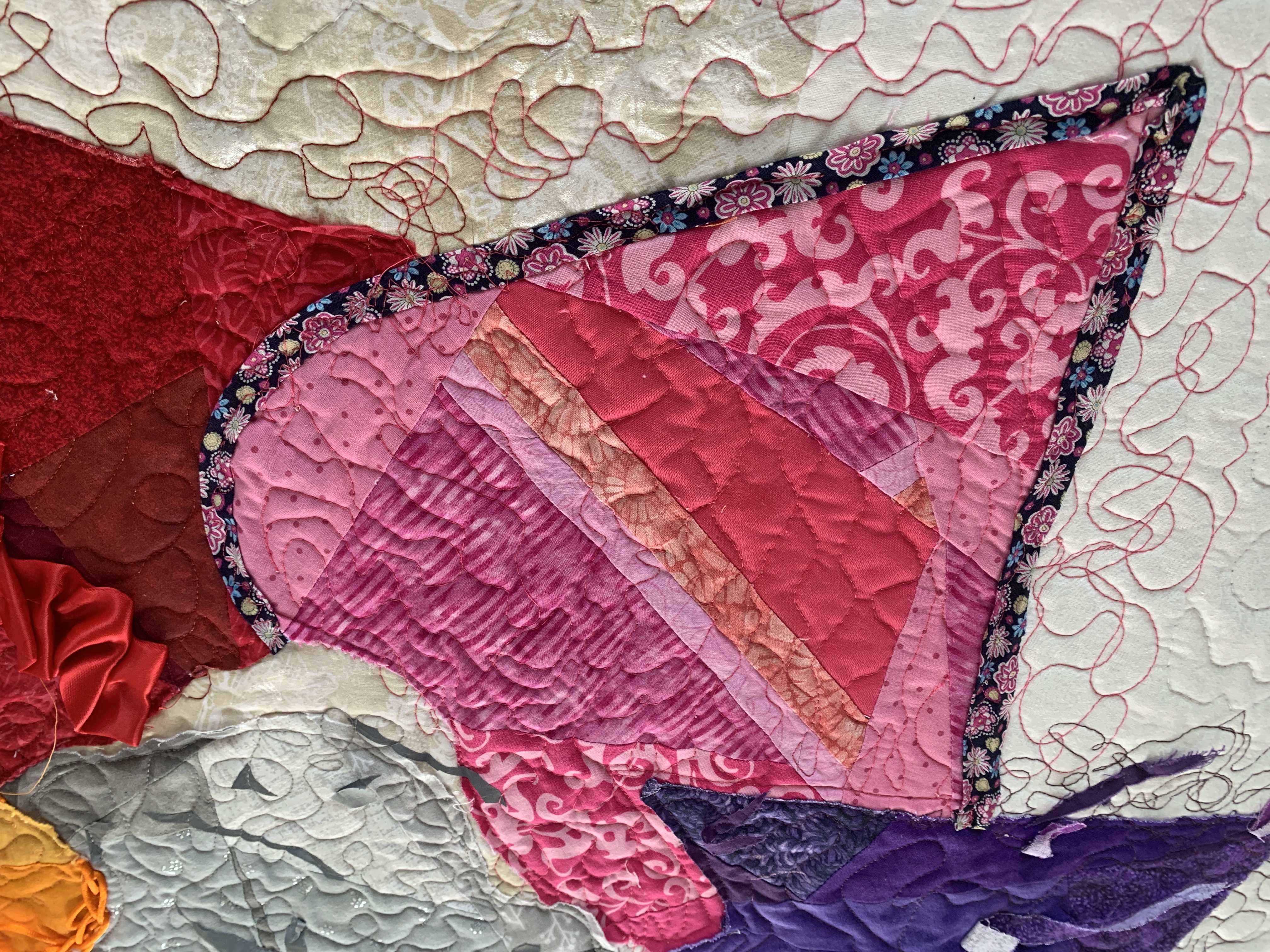
This wall hanging, Rainbow Star, marks the start of a new era, as I began engaging with ornamental types of additions, enhancing surface details as part of the quilting process. It's wildly entertaining! Another thing that makes this extra fun is that it is the start of integrating therapeutic energy into the creative process, specifically healing from trauma. Watch the series here.
I am so grateful that I have found an effective coping skill. The benefits are vast. The time and energy I put into it may otherwise be spent on something harmful to my life and myself, so I choose to engage in an activity that helps me process.
Not only is it great for personal coping, but I am also integrating it into my work as a therapist. Creative expression is beneficial for trauma survivors because it helps release buried and hidden emotions. Sometimes without even knowing it. Creative expression helps build empowerment and autonomy for trauma survivors, something trauma typically strips from survivors.
I know this will continue to evolve, and I cannot wait to see what it will become. For now, therapy sessions can remain talk-only, or, if you're so inspired, you may explore your own creativity while we talk and process.
Purchase here